

Aluminum Capacitors—The Essential Guide to Passive Component Fundamentals
Introduction to Aluminum Electrolytic Capacitors
Aluminum capacitors, also known as aluminum electrolytic capacitors, represent one of the most fundamental and widely used passive components in modern electronics. Characterized by their cylindrical shape with polarity markings, these components have become indispensable in circuits requiring substantial capacitance values in relatively compact packages. Their unique construction—featuring an aluminum anode, electrolyte-soaked paper separator, and aluminum oxide dielectric layer—enables them to deliver performance characteristics that make them particularly suitable for specific electronic applications.
Key Features and Technical Advantages
High Capacitance Density
Aluminum capacitors offer exceptionally high capacitance values relative to their physical size and cost, typically ranging from 1μF to several thousand microfarads. This makes them ideal for applications requiring substantial energy storage in limited spaces.
Polarity-Sensitive Design
As polarized components, they must be correctly oriented in circuits. Modern variants often include clear polarity markings and safety vents to prevent catastrophic failure.
Voltage Range Flexibility
Available in working voltages from 6.3V to several hundred volts, aluminum capacitors accommodate diverse circuit requirements across low-voltage digital systems to high-power industrial equipment.
Temperature Performance
Standard versions operate effectively from -40°C to +85°C, with specialized high-temperature variants extending to +125°C or higher for demanding environments.
Primary Applications in Modern Electronics
Power Supply Systems
- Input/Output Filtering: Smoothing rectified AC voltage in power supplies
- Energy Storage: Providing temporary power during voltage dips
- Decoupling: Stabilizing voltage levels in DC power distribution networks
Consumer Electronics
- Televisions, audio amplifiers, and home entertainment systems
- Computer motherboards and graphics cards
- Power adapters and battery charging circuits
Industrial and Automotive Applications
- Motor drive circuits and industrial control systems
- Automotive infotainment and engine control units (ECUs)
- Renewable energy systems (solar inverters, wind turbines)
Lighting Technology
- LED driver circuits and ballasts
- Strobe lighting and camera flash systems
Selection Considerations and Best Practices
Voltage Rating Selection
Always choose capacitors with voltage ratings at least 20-50% higher than the maximum expected operating voltage to ensure reliability and longevity.
Capacitance Tolerance
Standard aluminum capacitors typically offer ±20% tolerance, with premium versions available at ±10% for precision applications.
ESR (Equivalent Series Resistance) Considerations
Lower ESR values are crucial for high-frequency applications and switching power supplies. Consider polymer aluminum capacitors for ultra-low ESR requirements.
Lifetime and Temperature Factors
Operating temperature significantly impacts lifespan. For every 10°C reduction below maximum rated temperature, lifetime typically doubles according to Arrhenius’ law.
Physical Size Constraints
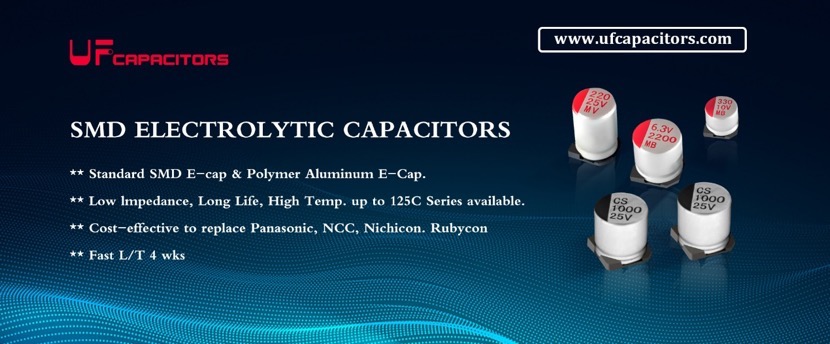
Consider both diameter and height when selecting capacitors, particularly in space-constrained designs. Surface-mount (SMD) versions offer space-saving advantages.
Common Failure Modes and Prevention
Electrolyte Drying
The primary failure mechanism involves gradual electrolyte evaporation over time. Mitigate through proper derating and thermal management.
Voltage Overstress
Exceeding rated voltage causes rapid deterioration. Implement protective circuits and proper voltage margin selection.
Reverse Polarity Application
Even brief reverse voltage application can cause immediate failure. Double-check polarity during installation and design phases.
Mechanical Stress
Excessive board flexure or vibration can damage internal connections. Use proper mounting techniques and consider ruggedized variants for harsh environments.
Emerging Trends and Future Developments
Hybrid and Polymer Technologies
Modern aluminum capacitors increasingly incorporate conductive polymer electrolytes, offering lower ESR, longer lifespan, and improved temperature stability.
Miniaturization Advances
Continued development delivers higher capacitance in smaller packages, supporting the trend toward increasingly compact electronic devices.
Enhanced Environmental Compliance
RoHS-compliant, lead-free versions with improved recycling characteristics address growing environmental concerns and regulatory requirements.
The Enduring Relevance of Aluminum Capacitors
Despite the emergence of alternative capacitor technologies, aluminum electrolytic capacitors maintain their vital position in electronic design due to their unique combination of high capacitance, cost-effectiveness, and proven reliability. By understanding their characteristics, limitations, and proper application principles, engineers can effectively leverage these components to create robust, efficient electronic systems across countless applications.