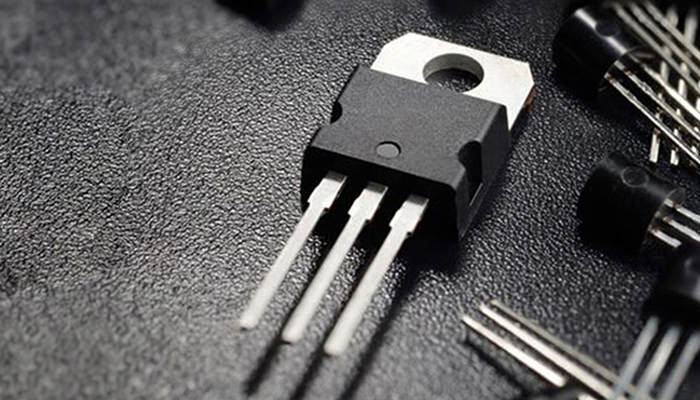


TVS Diode Application Areas
Industrial Applications
Industrial environments typically face harsh electrical conditions, including induced lightning, motor switching transients, power surges, etc. TVS diodes play a crucial role in these applications:
- Industrial automation systems: Protecting PLC inputs/outputs, sensor interfaces, and communication buses
- Factory equipment: Protecting motor drivers, frequency converters, and control circuits
- Measuring instruments: Ensuring stability and accuracy of precision measurement circuits
- Fieldbus systems: Protecting industrial communication interfaces such as RS-485, PROFIBUS, DeviceNet, etc.
Industrial applications typically require TVS diodes with high power handling capability and wide operating temperature range. In these applications, reliability and durability are primary considerations.
Automotive Electronics
Automotive electronic systems are exposed to harsh electrical and environmental conditions, requiring special protection measures. Automotive-grade TVS diodes typically need to meet AEC-Q101 standards and withstand a wide range of temperatures and electrical transients.
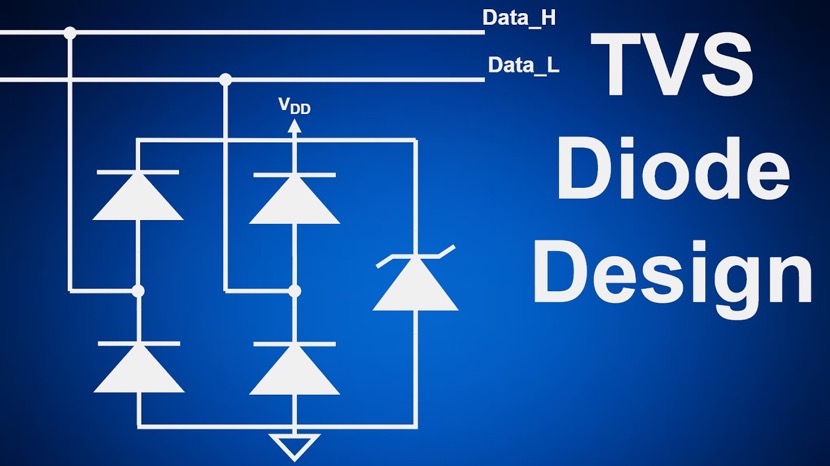
Major automotive applications include:
- Engine Control Units (ECUs): Protecting sensor inputs and actuator control lines
- In-vehicle networks: CAN bus, LIN bus, and FlexRay communication line protection
- Power management systems: Protecting power conversion and distribution circuits
- Safety systems: Airbag controllers, ABS, and ADAS systems
- Infotainment systems: Protecting audio/video interfaces and USB connections
“As the level of automotive electronics continues to increase, especially with the popularization of 48V systems and electric vehicles, TVS protection in automotive environments has become more important than ever before.” — Automotive Electronics Design Magazine
Consumer Electronics
In consumer electronic products, TVS diodes are mainly used to protect interface circuits and sensitive components from ESD and power transients. These applications typically have strict requirements for size, cost, and performance.
- Mobile devices: Protection for charging interfaces, audio interfaces, and data ports in smartphones and tablets
- Personal computers: Protection for USB, HDMI, Ethernet, and other I/O interfaces
- Home appliances: Protection for control circuits and power inputs
- Wearable devices: Protection for battery management and communication interfaces
In consumer electronics applications, small size, low capacitance, and low cost are important selection factors. As interface speeds continue to increase, low-capacitance TVS diodes are becoming increasingly important.
Telecommunications Equipment
Communications equipment is frequently exposed to harsh outdoor environments and is susceptible to lightning strikes and power transients. These applications require robust protection solutions:
- Base station equipment: Protection for RF paths, power inputs, and control lines
- Network switching equipment: Protection for Ethernet ports and backplane connections
- Line interface protection: DSL, T1/E1 line interface circuits
- Power line protection: AC/DC converter input protection
Communication applications typically require compliance with specific standards such as IEC 61000-4-5 (surge), GR-1089-CORE, and ITU K.20/K.21 standards, which influence the selection of TVS diodes.
TVS Diode Advantages
- Nanosecond-level response time
- Low clamping voltage
- No degradation design (can withstand thousands of overvoltage events)
- Bidirectional protection capability (bidirectional type)
- No follow current (auto-recovery)
TVS Diode Limitations
- Limited power handling capability (compared to large varistors)
- Higher cost (especially high-power models)
- Parasitic capacitance may affect high-speed signals
- Difficulty handling extremely high-energy events
- Installation direction sensitive (unidirectional type)