


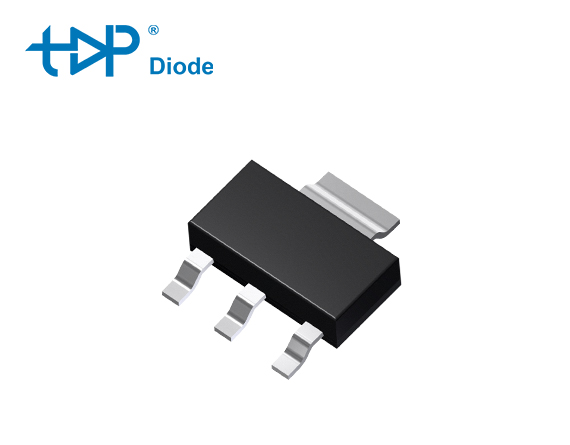
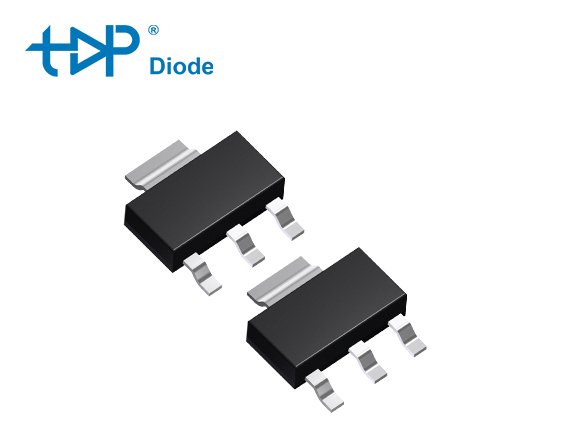
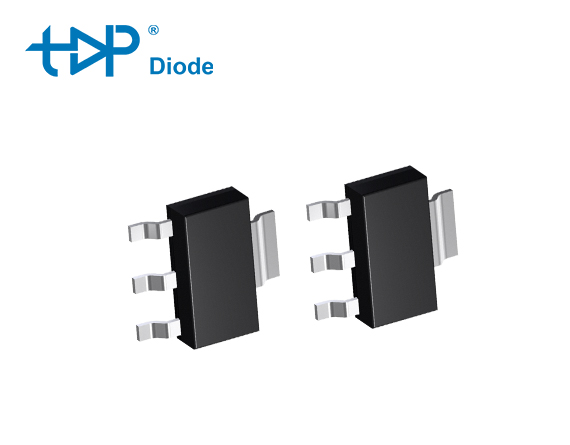
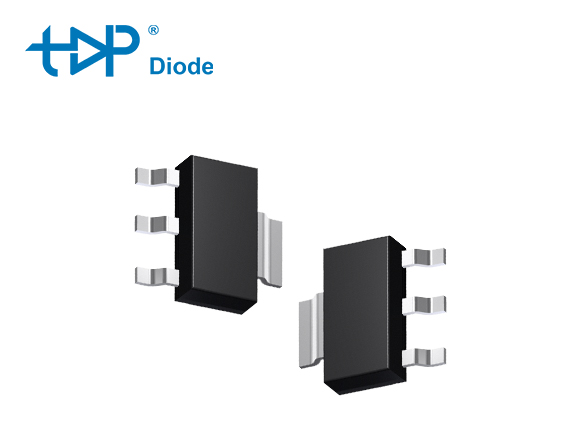
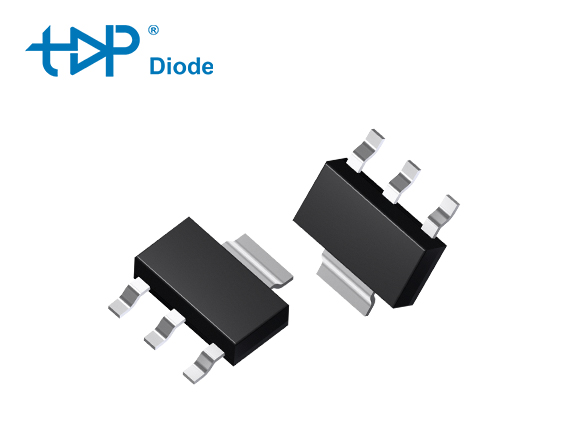
Topdiode CR03-6 is a nice alternative offer to ST/X0202MN
- VD/VR: 600/800/1200V
- IT(RMS): 1.25A
- IGT : 20-100μA
- Sensitive gate
- Direct triggering from low power drivers and logic ICs
- Surface mountable package
Topdiode CR03-6 is a nice alternative offer to ST/X0202MN
Topdiode CR03-6 SCR can be used as the on/off function in applications where topology does not offer high current for gate triggering.
This device is optimized in forward voltage drop and inrush current capabilities for reduced power losses and high reliability in harsh environments.
Topdiode CR03-6 is a nice alternative offer to ST/X0202MN
Topdiode SCRs 1.25A 600V CR03-6 -DATA
- Tab
| Parameter | Symbol | Value | Unit |
| Storage junction temperature range | Tstg | -40 ~150 | ℃ |
| Operating junction temperature range | Tj | -40~125 | ℃ |
| Repetitive peak off-state voltage (T =25°C) | VDRM | 600/800/1200 | V |
| Repetitive peak reverse voltage (T =25°C) | VRRM | 600/800/1200 | V |
| Non repetitive surge peak Off-state voltage | VDSM | VDRM +100 | V |
| Non repetitive peak reverse voltage | VRSM | VRRM +100 | V |
| RMS on-state current | IT(RMS) | 1. 25 | A |
| Non repetitive surge peak on-state current (180°conduction angle, F=50Hz) |
ITSM | 25 | A |
| I2t value for fusing (tp=10ms) | I2t | 2.5 | A2S |
| Critical rate of rise of on-state current (1 =2xIGT, tr≤ 100 ns) |
di/dt | 50 | A/μS |
| Peak gate current | IGM | 1.2 | A |
| Average gate power dissipation | PG(AV) | 0.2 | W |
| Maximum device temperature for solderingPurposes(for 10 seconds maximum) |
TL | 260 | ℃ |
| ESD level | HBM | Class 3(4000-16000V) | |
| Humidity sensitive level | MSL | Three-level (30°C,60%RH, 168h) |
Topdiode Hot Selling Products (6)
-
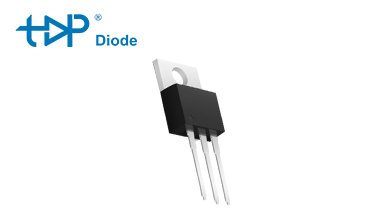
Topdiode Silicon-carbide (SiC) Schottky Barrier Diode, replace Infineon, On Semi, Littelfuse etc.
-
-
-
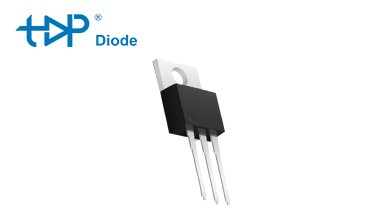
Topdiode Insulated Gate Bipolar Transistors (IGBT), replace Infineon, On semi, ST, AOS etc.
-
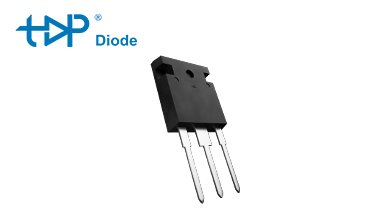
Topdiode Silicon-carbide (SiC) Power MOSFET, replace Infineon, On Semi, ROHM etc.
-
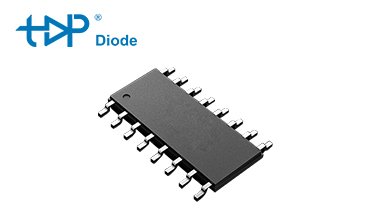
Topdiode Audio Amplifier Audio IC TPA2092 and TPA20957, replace Infineon IRS2092 and IRS20957S
SCRs and Triacs Datasheet
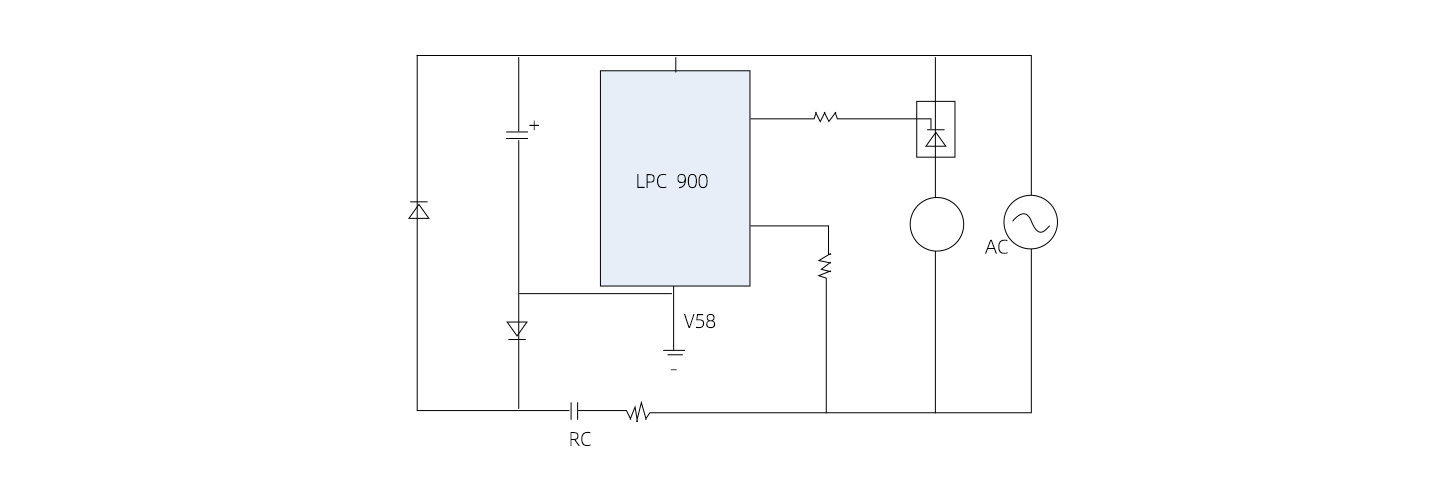
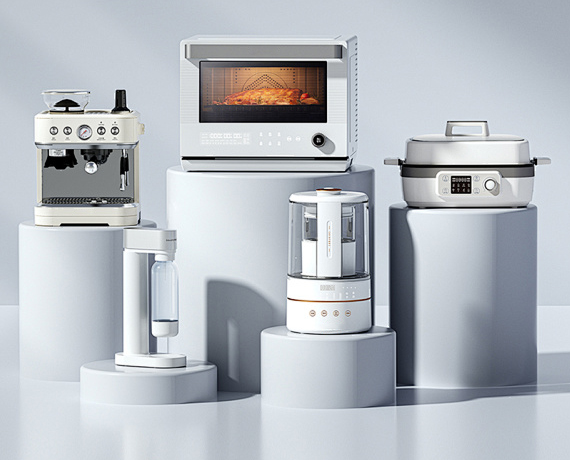
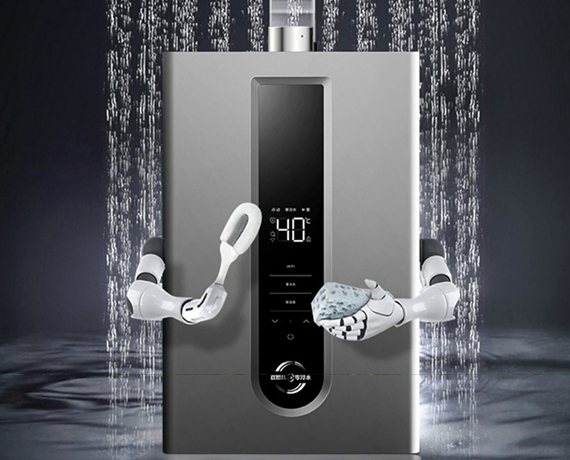
Topdiode Thyristors Used in Home Appliances ( Vacuum cleaner, juicer, rice cooker)
Home appliances cover a wide range, such as air conditioners, washing machines, electric kettles, and lighting systems. They require components that can effectively control power and ensure stable operation.
Thyristors come in various types like SCRs (Silicon Controlled Rectifiers). They are designed with a PNPN structure and specific doping concentrations. Thyristors can precisely control the power delivered to home appliances. For example, in an electric kettle, they can control the heating time and power to quickly and safely boil water. In a dimmer switch for lighting, thyristors adjust the light intensity by regulating the current.
Topdiode use advanced semiconductor manufacturing processes to produce high-quality thyristors. These have low forward voltage drops, reducing power loss and improving energy efficiency. They also have high voltage and current withstand capabilities, ensuring they can work stably in different home appliance circuits.
Recommended Models:
F01 Series F02/T02 Series F04/T04 Series F08/T08 Series
F12/T12 Serles F16/T16 Series T20 Serie
Topdiode SCRs and Triacs Applications
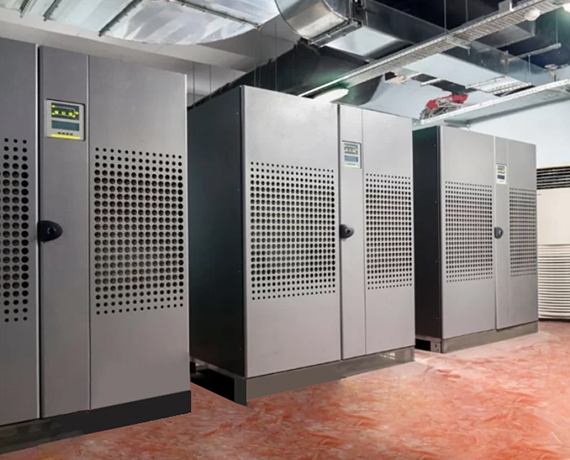
A thyristor is a type of semiconductor device that acts as a switch, controlling the flow of electrical current in a circuit. Thyristors are typically used for switching and controlling high voltage or current in applications where the power must be turned on or off. They are made of four layers of semiconductor material (P-N-P-N) and typically have three terminals: anode, cathode, and gate.
Silicon Carbide Schottky Barrier Diodes are semiconductor devices that consist of a metal contact on a layer of n-type Silicon Carbide (SiC) material. The metal contact forms a Schottky barrier with the SiC material, which allows the flow of current in only one direction. SiC Schottky barrier diodes offer several advantages over conventional diodes, including lower forward voltage drop, shorter reverse recovery time, higher breakdown voltage, and higher temperature operation
SCR (Silicon Controlled Rectifier):
-
- Structure: An SCR is a type of thyristor that has a single direction of current flow. It has four layers (P-N-P-N) and three terminals: anode, cathode, and gate.
- Control: It is controlled by a gate signal. Once triggered, it remains in the “on” state (conducting) until the current flowing through it drops below a certain threshold (called the “holding current”).
TRIAC (Triode for Alternating Current):
-
- Structure: A TRIAC is similar to an SCR but can conduct current in both directions, making it suitable for AC applications. It has a similar structure but with an additional set of layers.
- Control: Like an SCR, a TRIAC is controlled by a gate signal, but it can conduct during both halves of an AC cycle, allowing bidirectional control.
- Ground Fault Circuit interrupters (GFCl)
- General purpose switching and phase control
- Ignition circuits, CDl for 2- and 3-wheelers
- Motor control .e.g.small kitchen appliances
-
- Topdiode produces TRIAC and SCR to replace tier 1 brands like ST, WeEn, Onsemi, Vishay etc.
- Cost down 30-60%
- Lead time around 3 weeks
- 100% guarantee quality